Practice Fischer Random Chess on a Live Chessboard – Your Complete Guide
What Is Fischer Random Chess and Why Play It Live?
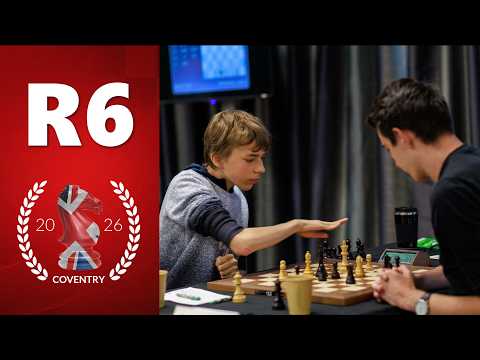
Fischer Random chess, also known as Chess960, rearranges the back‑rank pieces into one of 960 possible starting positions. The variation removes opening theory from the equation, forcing players to rely on pure calculation and creativity. While many enthusiasts use online tools to explore the random setups, playing on a physical board adds tactile feedback and a sense of ceremony that a screen cannot replicate. This live experience can sharpen concentration, improve piece‑handling skills, and make training sessions feel more like tournament play.
When you decide to practice Fischer Random chess on a live chessboard, you also open the door to social learning. Friends, coaches, or club members can gather around a single board, discuss ideas in real time, and observe each other’s thought processes. The shared environment encourages a deeper appreciation for strategic patterns that emerge across different starting positions.
Benefits of Practicing on a Physical Chessboard
Physical practice offers several concrete advantages over pure digital play. First, the sensory act of moving pieces improves motor memory, which translates into faster move execution during timed games. Second, the board’s static layout helps many players visualize future positions more clearly, especially in complex, unfamiliar openings typical of Fischer Random.
Another benefit is the reduction of screen fatigue. Long sessions on a laptop or tablet can strain eyes and lead to diminished focus. A real board eliminates these issues while still providing the same analytical depth. Finally, live play allows for spontaneous interruptions—such as a quick discussion of a tactical motif—that enrich the learning process.
Essential Equipment and Setup for Live Play
To practice Fischer Random chess on a live chessboard, you need only a few pieces of equipment, but choosing the right ones can elevate the experience. A high‑quality chess set with sturdy, weighted pieces ensures smooth handling, while a board with clear, contrasting squares reduces visual errors. Consider a board that folds for easy storage, especially if you’ll be transporting it to clubs or coffee‑shop meetups.
Additional accessories that improve workflow include:
- Dice or a random‑position generator to determine the starting layout.
- A portable scorebook and pen for recording moves and analysis.
- Optional digital clock for time‑controlled practice sessions.
Once the physical items are ready, set up a quiet, well‑lit space where you can reflect without distraction. A small table at eye level works best for maintaining a natural posture and clear line of sight to the board.
Step‑by‑Step Guide to a Practice Session
Below is a practical workflow you can follow each time you sit down to practice Fischer Random chess on a live chessboard. The process balances structure with flexibility, allowing you to adapt to personal goals and skill level.
- Generate the starting position. Use a dice set, a mobile app, or a printed chart to select one of the 960 configurations.
- Arrange the pieces. Follow the generated layout, ensuring both sides mirror each other exactly.
- Warm‑up. Play a few minutes of normal chess to get into the rhythm of moving pieces.
- Play the main game. Set a timer if you want to simulate rapid or classical conditions.
- Analyze immediately. After each move, pause to consider alternatives before continuing.
- Record the full game. Write down the moves in algebraic notation for later review.
- Review with a partner or coach. Discuss critical moments and identify patterns that recur across different setups.
Repeating this routine several times a week creates a habit loop that accelerates pattern recognition and strategic flexibility.
Common Drills and Training Methods
Effective drills focus on the unique challenges of Fischer Random, such as unfamiliar piece placement and non‑standard castling rights. Here are three popular approaches:
- Pattern‑spotting drills. After setting up a random position, spend five minutes scanning for tactical motifs like forks, pins, and discovered attacks before making any move.
- Time‑pressure puzzles. Use a chess clock and give yourself 30 seconds per move to simulate blitz conditions, forcing quick, intuitive decisions.
- Endgame extraction. Play a mini‑game that starts from a random middlegame position and play only until a clear endgame is reached, then study the conversion.
Integrating these drills into a regular schedule helps you internalize core principles that apply regardless of the starting layout, making you more adaptable in tournament settings.
Integrating Online Resources and the Chess960 Learning Platform
While live practice offers tactile benefits, online tools provide supplemental analysis, opening libraries, and community support. A balanced regimen pairs board work with digital feedback to reinforce learning. For example, after recording a game on the physical board, you can upload the PGN to an online engine for deeper evaluation.
One reliable resource is the Chess960 learning platform by CH960, which offers tutorials, random‑position generators, and a community forum where you can discuss live‑board experiences. By combining the platform’s analytical strength with hands‑on board practice, you gain a comprehensive training loop.
Pricing, Support, and Choosing the Right Partner
Investing in a quality set and occasional coaching can range from modest to premium, depending on your goals. A decent wooden set starts around $60, while tournament‑grade pieces may exceed $150. If you opt for professional instruction, hourly rates typically vary between $30 and $80 in the United States.
When selecting a partner for coaching or equipment, consider the following factors:
| Criterion | What to Look For | Why It Matters |
|---|---|---|
| Reputation | Positive reviews from players who train Chess960 | Ensures reliable guidance and quality gear |
| Support Availability | Responsive email or chat support during business hours | Quick help when you encounter setup issues |
| Flexibility | Option to purchase pieces separately or as a set | Allows you to scale your investment over time |
| Return Policy | At least 30‑day return window for defects | Protects you from faulty equipment |
Balancing cost with the level of support you need will help you stay motivated without overspending.
Frequently Asked Questions
Do I need a special board for Fischer Random? No. Any standard 8×8 board works; you simply rearrange the back‑rank pieces according to the random position.
Can I practice castling on a live board? Yes. Follow the Chess960 castling rules, which vary depending on the king’s and rook’s starting squares. It’s a great way to internalize the unique rights each position provides.
How often should I practice? Consistency trumps intensity. Aim for three 30‑minute sessions per week, focusing on different aspects each time—tactics, time pressure, and endgames.
Conclusion: Building Mastery One Live Game at a Time
Practicing Fischer Random chess on a live chessboard merges the intellectual rigor of Chess960 with the sensory engagement of a physical game. By selecting the right equipment, following a disciplined practice routine, and leveraging online analysis tools, you can accelerate your growth and enjoy a richer chess experience.
Remember that progress comes from repeated exposure to varied positions, thoughtful reflection, and a willingness to adapt. Whether you’re a club player, a coach, or a competitive enthusiast, the strategies outlined here will help you turn every live session into a stepping stone toward greater mastery.